

Content
· 5 checks — Internal links, mixed-content guards, Open Graph previews, and structured data rolled into one auditable list.BOpen GraphOpen Graph tags are partially configured — some improvements recommended.REVIEW
76 charsTitles over 60 characters may be truncated in social sharing previews.
25–60 charsog:title borderline-too-long — Facebook/LinkedIn may truncate. Aim for ~60-70 characters max.
Source: Open Graph Protocol
The og:url tag specifies the canonical URL for the shared content.
Without og:url, social platforms infer the canonical URL — often picking a tracking-param variant that pollutes share counts.
Learn more ▾ ▴
og:url tells the social platform which URL to count this share against. Without it, platforms use the literal URL the user pasted (which may include utm_* parameters, ref codes, etc.). Setting og:url to the canonical form keeps share-count attribution clean.
Source: Open Graph Protocol
The og:type tag helps social platforms categorize the content.
Default og:type is 'website' but the right value (article, product, profile) unlocks richer metadata fields and higher engagement.
Learn more ▾ ▴
og:type controls which other og: fields a platform respects. og:type=article enables og:article:published_time, author, and section — surfaced in news cards. og:type=product enables price/availability fields surfaced by Pinterest and shopping integrations. Default 'website' silently disables those.
Source: Open Graph Protocol
The og:site_name tag displays the website name in social previews.
Without og:site_name, social cards omit the brand attribution — users see the post but not who published it.
Learn more ▾ ▴
og:site_name appears in the social card chrome (above the title in Facebook/LinkedIn previews). Without it, posts read as anonymous URLs. Set it to your brand name to get free attribution on every share.
Source: Open Graph Protocol
Preview
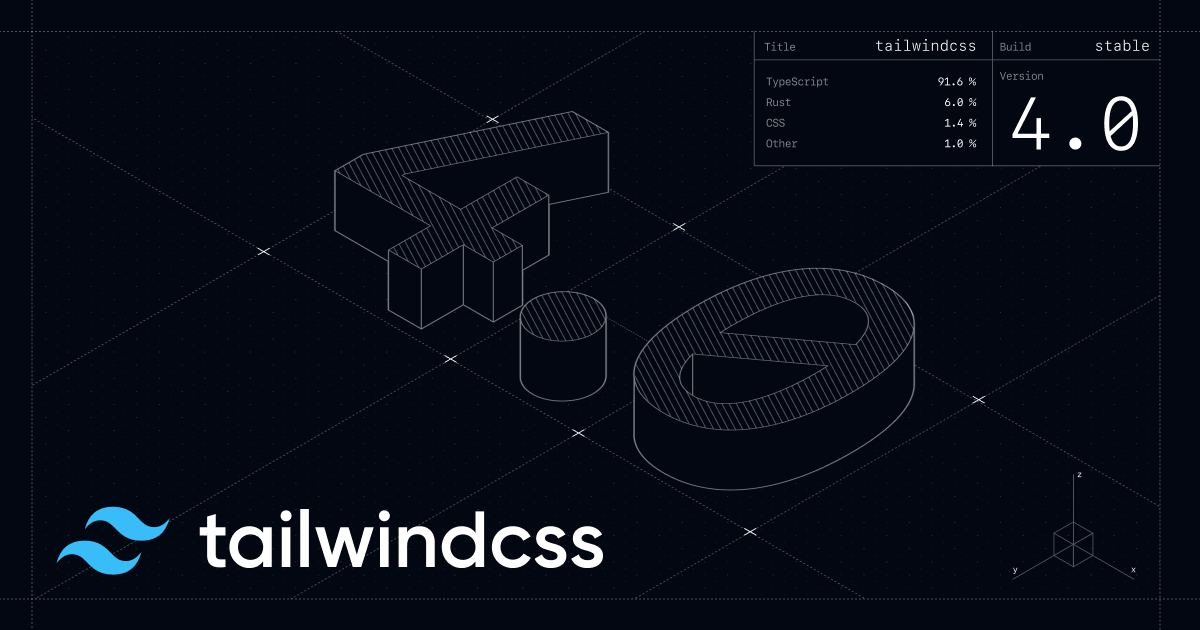
tailwindcss.com
Tailwind CSS - Rapidly build modern websites without ever leaving your HTML.
Tailwind CSS is a utility-first CSS framework for rapidly building modern websites without ever leaving your HTML.
TAILWINDCSS.COM
Tailwind CSS - Rapidly build modern websites without ever leaving your HTML.
Tailwind CSS is a utility-first CSS framework for rapidly building modern websites without ever leaving your HTML.
Tailwind CSS - Rapidly build modern websites without ever leaving your HTML.
tailwindcss.com
tailwindcss.com
Tailwind CSS - Rapidly build modern websites without ever leaving your HTML.
Tailwind CSS is a utility-first CSS framework for rapidly building modern websites without ever leaving your HTML.
CStructured DataActionNo structured data (JSON-LD) found.REVIEW
Adding structured data helps search engines understand your content and can enable rich results.
Without schema.org markup, your pages can't appear as rich results (stars, FAQs, recipes) in search.
Learn more ▾ ▴
Structured data is what unlocks rich snippets — review stars, FAQ accordions, recipe cards, breadcrumbs, etc. — that take up more SERP space and dramatically improve click-through. The schema.org vocabulary is well-documented and JSON-LD is the easiest format.
Source: Google Search Central / schema.org
No structured data found
Structured data (JSON-LD) helps search engines understand your content better. Adding it can improve your search result appearance.
Common types include:
- WebSite — your site identity and search box
- Organization — your company information
- Article — blog posts and news articles
- Product — e-commerce product pages
- BreadcrumbList — navigation paths
CBrand PresenceActionSite-name consistency, favicon, social image, meta tags, schema, and contact signalsREVIEW
Brand Presence
Partial brand coverage — a few channels are missing brand signals.
C
60/100
Site name appears as
| Page title | Tailwind CSS - Rapidly build modern websites without ever leaving your HTML. | |
| og:site_name | — | |
| twitter:site | — | |
| Organization.name | — |
Consistent
Brand assets
Favicon
15/15covers multiple sizes + apple-touch-icon
Social share image
20/20og:image + twitter:image set
Meta completeness
20/20Organization schema
0/15Contact info discoverable
0/10no contact info discoverable
Findings
- Missing brand name in: og:site_name, twitter:site, Organization.name
- No Organization schema — Google can't render your logo in the knowledge panel
- No discoverable contact info — trust signal is weak, legal risk is higher in regulated regions
How consistently your brand appears across channels — shared link previews, structured data, favicon, contact info.
ALinks157 links checked, 156 healthy, 1 brokenPASS
Broken Links (1)
| Status | URL | Found in | Error |
|---|---|---|---|
| 404 | https://KNPXZI5B0M-dsn.algolia.net | <link> | Not Found |
Redirects (6)
| URL | Destination | Found in | Hops |
|---|---|---|---|
| https://tailwindcss.com/docs | https://tailwindcss.com/docs | <a> | 0 |
| https://tailwindcss.com/docs/installatio... | https://tailwindcss.com/docs/installatio... | <a> | 0 |
| https://tailwindcss.com/sponsors | https://tailwindcss.com/sponsors | <a> | 0 |
| https://www.nutrient.io/sdk/web?utm_sour... | https://www.nutrient.io/sdk/web?utm_sour... | <a> | 0 |
| https://skims.com/ | https://skims.com/ | <a> | 0 |
| https://rivian.com/ | https://rivian.com/ | <a> | 0 |